Andhra Pradesh is served by a vibrant ecosystem of non-governmental organizations (NGOs) that focus on a diverse range of critical developmental issues, from education and hunger to women’s empowerment and rural development. The state’s geography, encompassing coastal regions and drought-prone inland areas, necessitates a variety of specialized interventions.
Here is a long description detailing the work of some of the most highly recognized and impactful NGOs operating in Andhra Pradesh.
1.Rural Development Trust (RDT) in Andhra Pradesh:
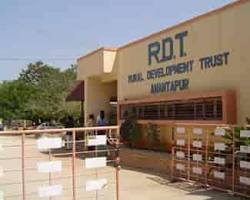
Rural Development Trust (RDT) is one of the most respected NGOs in Andhra Pradesh. Founded in 1969 by Vicente Ferrer, RDT works to improve the quality of life in rural communities. Its programs focus on education, healthcare, women empowerment, housing, and sustainable livelihoods. With projects spread across hundreds of villages, RDT has helped millions overcome poverty and build a better future.
RDT is a registered public charitable organization and NGO committed to empowering rural communities in India.
Founders:
Vicente Ferrer (1920-2009) and Anne Ferrer.
1969, with its central headquarters in Anantapuram, Andhra Pradesh.
Mission:
Empowering rural communities in India and supporting them in their struggle to eradicate poverty, suffering, and injustice.
Area of Operation (Primary Focus):
RDT’s projects cover thousands of villages in the Anantapuramu and neighbouring districts of Andhra Pradesh and Telangana.
RDT’s approach is based on holistic, integrated development, tackling multiple facets of poverty simultaneously.
Their key intervention sectors are SectorKey Focus and ActivitiesEducationEnsuring sustained, quality education for all, especially for children from marginalized communities.
This includes sponsoring talented students, building schools, and providing educational materials.HealthMaking quality and affordable healthcare accessible.
RDT operates rural hospitals and clinics (like the one in Bathalapalli) and runs community health programs.
Women Development:
Working towards a gender-just society by promoting equality, safety, and economic independence.
This is often done through Self-Help Groups (Sanghams), vocational training, and programs against gender violence.
Disability Inclusive DevelopmentSupporting persons with disability for their inclusive and holistic development, including community-based rehabilitation, inclusive education, and livelihood training.
.Ecology & Sustainable LivelihoodsPromoting initiatives for communities to live in harmony with nature and ensuring sustainable agriculture. Activities include building check dams, implementing micro-irrigation, and promoting environmental awareness (like the ‘Mana Bhoomi’ initiative).
HabitatEnsuring and strengthening access to basic infrastructure and dignified housing.
RDT has been involved in building thousands of houses for the poor and supporting reconstruction efforts during natural disasters.
Sports for DevelopmentLeveraging the power of sports to achieve sustainable social change, integration.
And promoting equality among children and youth through facilities like the Anantapur (Andhra Pradesh) Sports Village (ASV).
RDT is known for its practical, grassroots approach, which emphasizes:
Community-Based Action:
Their work is centered around interaction with and the formation of community-based organizations (like women’s and disability Sanghams).
Focus on the Most Marginalized:
RDT primarily works with vulnerable groups like Scheduled Castes, Scheduled Tribes, and others who are socially and economically excluded.
Collaboration: RDT acts as a “facilitator,” supporting government schemes and policies and mobilizing resources from citizens, corporations, and international partners.
In essence, RDT’s enduring presence for over five decades has made it a pillar of development.
As a large NGO, RDT sometimes faces logistical and regulatory issues.
For example, recent news reports mention that RDT has engaged with the state government to address challenges in mobilizing foreign funds due to licence-related issues, with the government promising cooperation to ensure their work continues uninterrupted. This highlights the importance of the political and regulatory environment for large-scale NGO operations in India.
The entire RDT operation is a testament to the idea that development is a long-term, community-led process centered on building human capability, not just providing aid.
2.The Akshaya Patra Foundation(TAPT):
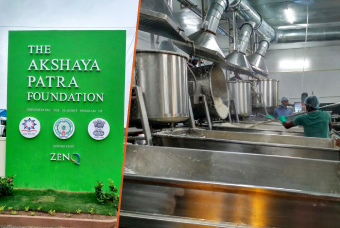
The Akshaya Patra Foundation is known for its massive midday meal program, which ensures that children in government schools receive nutritious food every day.
In Andhra Pradesh, the organization operates large kitchens in cities like Visakhapatnam, Nellore, and Kakinada, serving thousands of school children. Their mission is simple yet powerful — no child should be deprived of education because of hunger in Andhra Pradesh.
Establishment:
The Vizag operations were established in October 2008, making it one of the early and key kitchens in Andhra Pradesh.
Key Goal:
The program addresses two critical Sustainable Development Goals (SDGs): SDG 2 (Zero Hunger) and SDG 4 (Quality Education) by providing a daily incentive for children from socio-economically disadvantaged backgrounds to attend school.That is a great request. The Akshaya Patra Foundation (TAPF) in Visakhapatnam (Vizag) is a crucial hub for the organization’s mission in Andhra Pradesh.1Here is a full description of the Akshaya Patra Foundation’s operations and impact in Vizag.
Full Description for TAPT in Andhra Pradesh:
The Akshaya Patra Foundation, Visakhapatnam (Vizag)The Akshaya Patra Foundation in Visakhapatnam is a major operational center that implements the PM POSHAN Abhiyaan (formerly the Mid-Day Meal Scheme) in government and government-aided schools across the region.
To ensure that “No child in India shall be deprived of education because of hunger.
Establishment TAPT in Andhra Pradesh:
The Vizag operations were established in October 2008, making it one of the early and key kitchens in Andhra Pradesh.
Key Goal:
The program addresses two critical Sustainable Development Goals (SDGs): SDG 2 (Zero Hunger) and SDG 4 (Quality Education) by providing a daily incentive for children from socio-economically disadvantaged backgrounds to attend school.
Scale and Reach in VisakhapatnamAkshaya Patra runs its program in the Visakhapatnam region through multiple centralized kitchens to manage the large volume of meals efficiently.
Kitchen LocationStatusApproximate Daily Meals ServedSchools ServedVisakhapatnam (Original Kitchen)Centralized~25,000 children~136 schoolsGhambiramCentralized~15,000+ children~179 schools (including Bheemili and Anandapuram areas)Total Vizag RegionOver 50,000 meals daily.
Multiple hundreds of schoolsNote:
Daily meal counts fluctuate based on student attendance and government approvals.
The Akshaya Patra Foundation (TAPF) in Visakhapatnam (Vizag) is a crucial hub for the organization’s mission in Andhra Pradesh.
Here is a full description of the Akshaya Patra Foundation’s operations and impact in Vizag.
Full Description:
The Akshaya Patra Foundation, Visakhapatnam (Vizag)The Akshaya Patra Foundation in Visakhapatnam is a major operational center that implements the PM POSHAN Abhiyaan (formerly the Mid-Day Meal Scheme) in government and government-aided schools across the region.
Mission and Establishment Core Vision for TAPT in Andhra Pradesh :
To ensure that “No child in India shall be deprived of education because of hunger.”
Establishment: The Vizag operations were established in October 2008, making it one of the early and key kitchens in Andhra Pradesh.
Key Goal: The program addresses two critical Sustainable Development Goals (SDGs): SDG 2 (Zero Hunger) and SDG 4 (Quality Education) by providing a daily incentive for children from socio-economically disadvantaged backgrounds to attend school.
Scale and Reach in Visakhapatnam Akshaya Patra runs its program in the Visakhapatnam region through multiple centralized kitchens to manage the large volume of meals efficiently.
Total Vizag RegionOver 50,000 meals dailyMultiple hundreds of schoolsNote: Daily meal counts fluctuate based on student attendance and government approvals.
The Centralized Kitchen Model (The “Hi-Tech” Kitchens)The Vizag operations utilize the Centralized Kitchen model, which is a state-of-the-art, large-scale facility designed for maximum efficiency, hygiene, and quality.7FeatureDescriptionHygiene & QualityThe kitchens are certified with ISO 22000:2018 (Food Safety Management System), ensuring rigorous food safety standards, steam sterilization of vessels, and continuous quality checks.TechnologySpecialized equipment like steam boilers, rice cooking vessels, and massive roti-making machines are used to cook large volumes of food quickly. The entire process is a systematic, industrial-scale operation.LogisticsMeals are prepared early (starting as early as 4:00 AM) and packed into specially insulated, custom-built delivery vans.
These vans are fitted with a honeycomb structure to prevent spillage and maintain the food’s temperature (a “cook-to-consumption” approach) until it reaches the schools on time.MenuThe menu is tailored to local tastes (e.g., rice, sambar, and curry) while strictly adhering to the government-mandated nutritional requirements (calories, protein, and micronutrients) for primary and upper-primary children.
3.Vasavya Mahila Mandali (VMM) in Andhra Pradesh:
Established in 1969, Vasavya Mahila Mandali is a women-led organization working to empower women, youth, and children in Andhra Pradesh. It promotes gender equality, health awareness, education, and social justice. VMM also supports survivors of domestic violence and works with local governments on women’s rights initiatives. Their work has made a significant impact in the Krishna district and beyond.Establishment: Founded in 1969 by the late Smt. Chennupati Vidya, a prominent Gandhian and social leader (who also served as an Indian Parliamentarian).
Guiding Philosophy VMM in Andhra Pradesh:
VMM is rooted in Gandhian ideology, emphasizing social change, community development, and human values. The name “Vasavya” is derived from the Sanskrit word for “Reality,” reflecting its commitment to truth and empathy.
To empower women, children, and families by increasing happiness and ensuring a sustainable society with human values.
Mission VMM in Andhra Pradesh :
To ensure the rights of women, youth, and children through community-driven initiatives and to facilitate their development through various programs.
VMM’s work is structured around five major thematic pillars to achieve comprehensive social development Thematic AreaDescription of FocusHuman RightsFocuses on preventing and addressing violence against women and children, and upholding their legal rights.
LivelihoodDedicated to the economic empowerment of women through vocational training, skill development, and micro-enterprise promotion.
HealthAddresses the health and well-being of vulnerable communities, with a focus on women’s reproductive health, HIV/AIDS prevention.
EnvironmentIncludes working with tribal communities on initiatives like natural farming and water management.
VMM operates several high-impact, direct-service programs, often in collaboration.
Mahila Mitra (Friends of Women) Movement: This is a notable community-police collaboration
where VMM facilitates a movement of grassroots women who work with the Vijayawada City Police.
Care and Protection Services:
Gora AbhayaNivas (Shelter Home): Provides immediate shelter, counselling, legal aid, and rehabilitation for women and girls in difficult circumstances.
Family Counselling Center: Offers crucial psychological support and family-level intervention services.
Priyadarsini Women’s Hostel: A well-equipped working women’s hostel facility.
Vocational and Skill Development in Andhra Pradesh:
VMM runs extensive training programs in areas like Fashion Designing, Beautician courses.
Tally, and crafts, aiming to provide women with marketable skills for financial independence.
Health Initiatives:
Includes targeted interventions on adolescent health, menstrual hygiene, cancer awareness, and extensive work on HIV/AIDS care.
4.Sai Educational Rural & Urban Development Society (SERUDS):
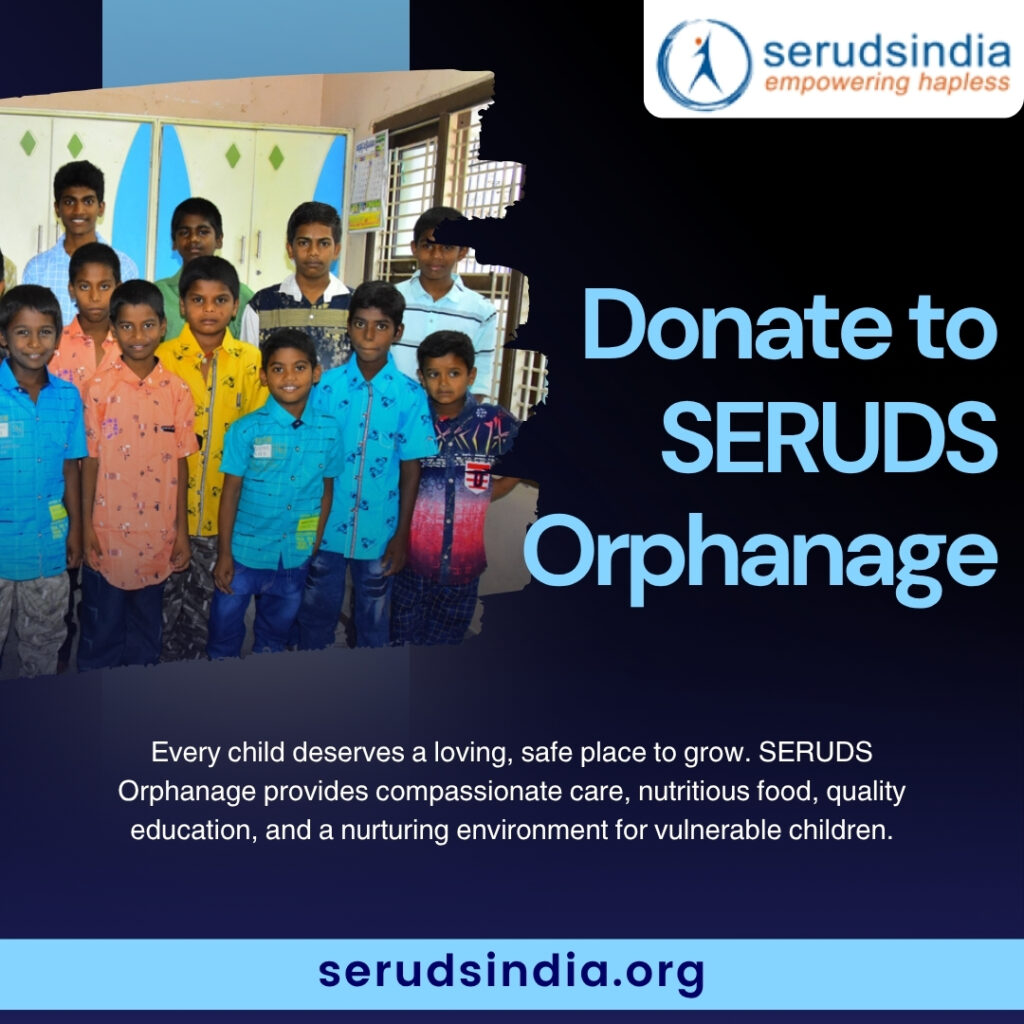
SERUDS focuses on supporting orphans, elderly people, and underprivileged women in Andhra Pradesh. The organization runs old age homes, orphanages, and women’s self-help programs. Through skill development and education, SERUDS empowers people to live with dignity. Their heartfelt service has earned them wide recognition across Andhra Pradesh.
Education Sponsorship seruds Andhra Pradesh:
* Day Care Centers: Operates centers for children (1-6 years) of working mothers in hazardous or poor-paying jobs, providing a safe, nurturing environment with midday meals.
* Computer Skills Training: Offers computer literacy and skills training to orphans and unemployed youth for better livelihood opportunities.
Happy Old Age Home: Runs a charitable home providing free food, shelter, clothes, medical care, and dignity to abandoned and destitute elderly women.
Sponsors and distributes nutritious hot meals daily to destitute elderly and homeless people.
Provides monthly essential groceries (rice, dal, cooking oil, etc.) to poor, old-age persons living in villages.
* Vocational Skills Training:
Conducts livelihood training programs, such as Tailoring, Embroidery, and Fashion Design, to equip economically disadvantaged women and girls with skills for sustainable income and self-sufficiency.
| | | * Self Help Groups (SHGs): Promotes and sensitizes destitute women for their rights and entitlements through SHGs. | | Community Welfare & Health | * Health Camps: Organizes medical health camps in remote rural and tribal areas. | | | * Nutrition Support: Provides milk, bread, fruits, and other nutrition to poor patients suffering from various illnesses in Government Hospitals. | | | * Disaster Relief: Provides relief and rehabilitation to victims of natural calamities like floods and droughts. | | | * Awareness Campaigns: Spreads awareness on health & sanitation, HIV/AIDS, TB, environment, consumer rights, and socio-economic rights.
Recognition and Status in Andhra Pradesh:
Legal Status: Registered under the Andhra Pradesh Societies Registration Act (2003).
It also holds important registrations such as FCRA (Foreign Contribution Regulation Act), 12A, and 80G of the Income Tax Act, 1961, which allows Indian donors to claim tax exemption for their contributions.
Awards:
SERUDS has received multiple awards and commendations, including the 2009 Seva Award for flood relief work and various.
Best NGO’ and ‘Social Services Awards’ from state government and district officials for its commendable work in children’s welfare.
Credibility: It is listed and recognized by prominent platforms like GlobalGiving, GiveIndia, Credibility Alliance, and GuideStar India.
In essence, SERUDS is a grass-roots level, non-profit organization focused on providing basic human rights, dignity.
And opportunities to the most disadvantaged sections of society in Andhra Pradesh.
primarily through sustained programs in education, elderly care, and livelihood generation.
5.Village Reconstruction Organization (VRO):
Founded in 1969, VRO works to uplift poor and marginalized rural communities in Andhra Pradesh. The organization rebuilds villages by providing housing, schools, clean water, and healthcare. They believe in community participation and sustainability, ensuring that development is long-lasting and meaningful. VRO has transformed thousands of lives across several districts of Andhra Pradesh.
Development as a Qualitative Challenge:
Mission and Guiding PhilosophyVRO’s work is not merely about construction; it is about Community Empowerment and Sustainable Development.
Mission:
“To encourage the initiatives and the energy of the villagers by facilitating their self-improvement and sustainability process through development partnership.
Target Group: Impoverished, structurally weak, and unregistered villages, with a special focus on the Dalit other marginalized communities.
The organization’s approach is guided by Fr. Windey’s Seven Principles (Saptashila) for Rural Development,
which emphasize:The Community as the Agent of Development: Villagers must take ownership and actively participate in the development process.
Authentic Community Development:
Promoting inclusivity, participation, and sustainability.
Key Programs and Activities
VRO’s projects are designed for integrated rural transformation, moving through stages of physical construction, socio-economic improvement, and community building.
Program AreaDetailed ActivitiesKey ImpactVillage Rebuilding & SanitationThe historical backbone of VRO.
Involves the construction of permanent, disaster-resistant homes, schools, community centers, and childcare facilities.
Provides safe, dignified, and permanent housing, especially to victims of natural calamities.Child Education & RightsFacilitates access to quality education.
Operates Children Learning Centers (CLCs) and provides required assistance for schooling.
Focuses on breaking the cycle of poverty through enlightenment (education, understanding, and knowledge).
Women EmpowermentWorks to ensure women understand their strengths, rights, and limitations. Includes programs for vocational training and financial support.Aims for Empowerment (initiatives, energies, and power) and economic self-reliance.
Youth Skill DevelopmentIdentifies the energy of the youth and utilizes it efficiently through training programs to enhance employment opportunities.
Equips the younger generation with marketable skills for sustainable livelihoods.
Agro-Forestry & EnvironmentPromotes environmental sustainability through initiatives like tree-planting festivals, conservation, and sustainable resource management.
Addresses the ecological surroundings of the village for long-term health and prosperity.
6.Dolphin Nature Conservation Society (DNCS):
DNCS is a leading environmental NGO in Andhra Pradesh, dedicated to protecting nature and wildlife. The organization conducts environmental education programs, beach cleanups, and awareness drives about marine conservation.
DNCS inspires youth to take part in preserving biodiversity and protecting the planet for future generations.
Major Conservation and Research Initiatives
DNCS conducts consistent research, documentation, and conservation campaigns focused on the unique ecosystems of the region.
Olive-Ridley Sea Turtles:
The society monitors, documents, and works towards the conservation of these endangered marine turtles, which nest along the Visakhapatnam coast.
Conservation measures often involve recommending and campaigning for strict enforcement
fishing bans during nesting seasons and the use of Turtle Excluder Devices (TED) in trawl nets.
Intertidal Rocky Shore Fauna and Flora:
DNCS conducts surveys and research on the marine biodiversity of the Visakhapatnam coast, documenting species like sea cucumbers.
They advocate for stopping coastal pollution and declaring certain areas as protected zones.
Butterflies of the Eastern Ghats:
They have documented over 100 species of butterflies across the Eastern Ghats forests and urban environments in the Visakhapatnam district.
contributing to the understanding of the region’s insect diversity.
Public Awareness:
The society runs campaigns against environmental threats such as the use of thin plastic carry bags.
conducts “save our beaches” anti-pollution drives, and organizes educational activities like dispelling myths about snakes.
The organization leverages its on-the-ground research and a strong network of students and volunteers to drive its conservation efforts.
And making a significant impact on local ecological understanding and action.
You can learn more about the unique park maintained by DNCS by watching this video 20 Years of Serving Nature.
Dolphin Nature Conservation Society in Andhra Pradesh I Biodiversity Park.
Flagship Project:
Biodiversity Park, Visakhapatnam
Most notable achievement and ongoing project of the DNCS is the establishment and maintenance of the Biodiversity Park in Visakhapatnam.
Concept:
The park, located on the premises of the Rani Chandramani Devi Government Hospital, was developed by DNCS
from a former wasteland into a thriving botanical garden and ex-situ conservation center.
Significance: It is described as a “living laboratory” for students, researchers, and the public.
Key Features:
It spans over 3 acres and harbors more than 2,000 species of plants, including many rare and endangered varieties.
It features themed zones such as Medicinal/Herbal and Aromatic plants, Cacti & Succulents, Aquatic plants, Ferns, and a Bamboo Grove.
The park has recorded a rich diversity of local fauna, including around 60 species of birds.
Recognition: DNCS has received state-level awards from the Andhra Pradesh government for the development and maintenance of this unique park.
Conclusion:
The NGOs in Andhra Pradesh are a true reflection of compassion, dedication, and social responsibility.
From providing education and healthcare to empowering women, protecting the environment, and supporting rural communities.
These organizations are working tirelessly to create lasting change.
Each NGO, whether large or small, plays a vital role in improving lives and strengthening communities across the state.
Their work reminds us that development is not just about infrastructure or economy
it’s about people, dignity, and equal opportunity for all.
By supporting these NGOs through donations, volunteering, or spreading awareness.
we can all contribute to a stronger and more inclusive Andhra Pradesh.
Together, we can help build a future where every individual has access to education, healthcare, and hope.