The year 2025 is a great time for aspiring entrepreneurs to start their own small business.
With technology, social media, and consumer trends evolving rapidly, there are more opportunities.
Whether you want to start online or offline, what matters most is creativity, consistency, and understanding customer needs.
That’s a very broad but exciting request!
Starting a small business offers great opportunities, but the best idea for you will depend on your skills.
To give you a comprehensive starting point, I’ve broken down small business ideas into three common categories:
Service-Based, E-commerce/Product-Based, and Niche/Specialized.
1.Online Coaching and Digital Courses business:
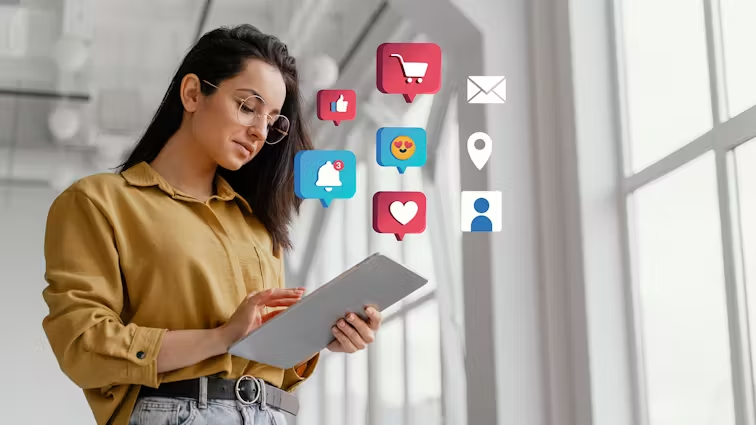
That’s an excellent choice! Online coaching and digital courses represent one of the most scalable and in-demand business models today. They allow you to monetize your existing knowledge and expertise and reach a global audience.
Here is a detailed description of the two related, but distinct, small business ideas: Online Coaching and Digital Courses.
1. Digital Courses
(The Scalable Asset)A digital course is an educational product that delivers structured content (videos, text, worksheets, quizzes).
What is a Content Asset: You create the content once, and it can be sold an unlimited number of times. This offers the highest potential for passive income and scalability.
Structured Learning:
Courses are typically organized into modules and lessons, taking the student from a starting point.
Topics:
They can cover virtually any topic, from professional skills (e.g., SEO, coding, photography) to personal development
Business Model & Monetization:
Low Barrier to Entry: Start-up costs are relatively low, consisting mainly of platform fees, a good microphone, and a camera.
AdvantagesDisadvantagesHigh Scalability: Sellable 24/7 globally without personal time input.
High Upfront Work: Significant time investment required for creation.
Passive Income Potential: Revenue generation even while you sleep.
High Marketing Effort: Requires continuous effort to attract new students.Low Maintenance (Post-Launch): Minimal time needed once the course is complete.
Lower Personal Connection:
Less opportunity for personalized feedback.
Online coaching involves providing personalized guidance, support, and accountability to a client to help them achieve a specific goal.
What It Is:A Service Model: This is a time-for-money exchange.
You sell your expertise and time in structured one-on-one or group sessions.
Personalized Guidance: The advice is tailored to the individual client’s unique circumstances, making it high-value.
Focus on Transformation: Coaching often focuses on mindset, strategy, accountability, and overcoming specific obstacles.
Topics: Common areas include business coaching, life coaching, health and wellness, and executive performance coaching.
Business Model & Monetization:
Pricing: High-ticket, premium fees (e.g., $\$500-\$5,000+$ per client package or month) due to the personalized nature.
Delivery: Typically conducted via video conferencing (Zoom, Google Meet) and communication tools (email, Slack).
Key Focus: The primary effort is on client acquisition and client management (running sessions, providing support).
Instant Start: You can begin coaching immediately with just a computer and a way to connect with clients.
Advantages&DisadvantagesHigh Income Per Client:
Premium pricing reflects the personalized value.Low Scalability: Income is capped by the number of hours you can work.
Rapid Feedback Loop:
You see client results quickly and can adjust your approach.Direct Time Input: Requires your personal time for every session.
Strong Personal Connection:
Creates highly loyal and satisfied clients who provide great referrals.High Energy Demand: Requires significant mental and emotional energy.
2.Handmade and Eco-Friendly Products business:

That is a wonderful business area to explore.
The market for Handmade and Eco-Friendly Products is growing rapidly as consumers increasingly prioritize sustainability, quality.
This business idea can be broken down into two essential, interconnected components: The “Handmade” Appeal and The “Eco-Friendly” Imperative.
1. The “Handmade” Appeal (Craftsmanship & Story)
Handmade products are valuable because they offer something that mass production cannot:
a unique story, high quality, and a personal connection to the maker.
Key Characteristics & Value Proposition:
Uniqueness and Character: Unlike factory-produced items, handmade goods often have slight variations or imperfections that give them unique character.
Customers are buying a piece of art or a labor of love, not just a commodity.
High Quality and Durability: Makers often use premium materials and spend more time on construction and finishing.
This aligns perfectly with the eco-friendly principle of “buy well, buy less.
“The Maker’s Story: Customers are eager to know who made their product and why.
Sharing your passion, your process, and the inspiration behind your creations builds a powerful brand connection and justifies a higher price point.
Customization Potential: Handmade businesses are often flexible enough to offer personalized or custom orders, a service impossible for large corporations.
Popular Handmade Niche Ideas:Artisan Jewelry: Using recycled metals or ethically sourced stones.
Custom Apparel & Accessories: Hand-knitted items, screen-printed graphic tees, or patchwork bags made from upcycled fabric.
Ceramics and Pottery: Unique, hand-thrown mugs, bowls, or decorative items.Specialty Foods: Homemade jams, small-batch baked goods, or artisanal chocolates.
2. The “Eco-Friendly” Imperative (Sustainability & Ethics)
The eco-friendly component is more than just a marketing buzzword
it’s a commitment to minimizing environmental impact throughout the product lifecycle.
Core Eco-Friendly Practices:PracticeDescriptionProduct ExamplesSustainable SourcingUsing raw materials that are grown, harvested, or produced in an environmentally responsible manner.
Bamboo for kitchenware, Organic Cotton for textiles, Recycled Paper for stationery.Zero Waste / Low WasteDesigning products
And packaging to eliminate or significantly reduce waste.Solid Shampoo/Conditioner Bars, Reusable Beeswax Wraps, Refillable Cleaning Products.
Upcycling and RepurposingTaking discarded materials or old products and giving them new life, often as higher-value items.
Jewelry from Old Computer Parts, Bags from Billboards or Tarps, Furniture from Pallets.
Ethical ProductionEnsuring fair wages, safe working conditions, and a non-exploitative supply chain (often involves local production).
Sourcing local ingredients to reduce transport emissions; using human power instead of energy-intensive machines.
Compostable PackagingUsing biodegradable materials like paper, cardboard, or plant-based plastics for shipping and boxing.
Eliminating plastic bubble wrap and tape in favor of recyclable paper tape and shredded cardboard.
The Business Opportunity (Combining the Two)The true business advantage comes from successfully merging the personal touch of handmade products
Telling a Complete Story:
Your narrative is powerful:
“This product was made with intention (handmade) and without harming the planet (eco-friendly).
“Targeting the Conscious Consumer:
This segment is willing to pay a premium for transparency, quality, and peace of mind regarding their purchase’s ethical footprint.
Emphasize product lifecycle:
where the materials came from, how you made it, and how the customer can dispose of it responsibly.
3.Freelancing and Consulting Services business:

Here is a detailed description of both:
Freelancing is a business model where you offer specific, defined skills or services on a project-by-project basis to multiple clients. You are essentially paid for the time and execution of a defined task.
Focus and Deliverables:Execution: Freelancers are typically hired to do the work. The focus is on implementing tasks and producing tangible deliverables.
Specific Skills:
Services are often specialized and tactical, such as:Writing: Blog posts, website copy, editing, technical documentation.
Design: Logo creation, web graphics, marketing materials.Development: Building a specific website feature, creating a mobile app.
Virtual Assistant:
Scheduling, data entry, email management.Short-Term Focus: Projects tend to be short to medium-term, with a clear beginning and end.
Usually priced by the hour, by the day, or with a fixed price per project.
Platforms: Freelancers often use marketplaces like Upwork, Fiverr, or specialized job boards.
Client Relationship:
Transactional and project-focused.AdvantagesDisadvantagesLow Barrier to Entry: You only need your skill, a portfolio, and a computer to start.
Limited Scalability:
Income is directly tied to the hours you can physically work.Quick Cash Flow: Payments often come immediately after project milestones are completed.
Feast or Famine Cycle: Income can be inconsistent, requiring constant marketing efforts.
Skill Sharpening: You rapidly gain experience working across different industries and project types.
Scope Creep Risk: Clients often want “just one more thing” without increasing the budget.
2. Consulting Services (The “Expert” Model):
Consulting is a high-value business model where you are hired for your specialized knowledge, strategy, and ability to diagnose problems and recommend solutions.
You are paid for your expertise and strategic guidance.
Focus and Deliverables:
Strategy & Advice: Consultants are hired to think, plan, and guide. The focus is on solving high-level business problems and driving large-scale change.
High-Level Expertise:
Services are often strategic and systemic, such as:Marketing Consulting: Designing a comprehensive lead generation strategy.
Business Operations Consulting: Streamlining a company’s internal processes for efficiency.’
HR/Talent Consulting: Developing an employee retention or training program.
Long-Term Focus: Engagements are often longer (months to years) and aim for sustained impact and transformation.
Business Model & Monetization:Pricing Structure: Priced with large, fixed monthly retainers, project-based flat fees.
Platforms: Consultants rely more on networking, speaking engagements, publishing content, and direct outreach (selling expertise, not hours).
Client Relationship: Long-term, strategic, and partnership-focused.
AdvantagesDisadvantagesHigh Income Potential: You charge premium rates for your strategic knowledge and ROI.
High Barrier to Entry: Requires significant proven experience and reputation in your field.
Scalability: You can offer group masterminds or create digital assets (courses) from your IP.
Sales Cycle is Long: Closing a high-ticket client can take weeks or months of cultivation.
Deep Impact: You help businesses overcome their most critical challenges, leading to highly rewarding work.
High Responsibility: The client expects major, measurable results, increasing the pressure.
The Career Path: From Freelancer to ConsultantMany successful solo experts follow a natural progression.
Start as a Freelancer: You establish credibility by successfully completing numerous projects.
Raise Your Rates: As demand grows, you charge more for the execution work.
Transition to Consulting: You realize clients need the strategy (the “why” and “how”) more than the execution (the “do”).
You start selling strategy sessions, guides, and long-term retainer advice, eventually hiring other freelancers to execute your strategies.
Which path is best for you?
If you are an expert and have a track record of solving problems, start with Consulting.
If you are highly skilled but need to build a client base and portfolio, start with Freelancing.
4.Cloud Kitchen or Healthy Meal Service business:

That is a highly relevant and popular business area today!
The food service industry is shifting, and the Cloud Kitchen and Healthy Meal Service models allow entrepreneurs
to capitalize on food delivery trends with lower overhead costs than traditional restaurants
Here is a detailed description of both concepts, including how they can be combined for maximum succes.
1.Cloud Kitchen (The Operational Model)
A Cloud Kitchen (also known as a ghost kitchen, dark kitchen, or virtual kitchen) is a professional,.
licensed cooking facility that prepares food exclusively for delivery, pickup, or catering.
It has no storefront, dining area, or front-of-house staff.
Key Characteristics:
Low Overhead: The primary advantage is significantly lower operating costs compared to a traditional restaurant. You save on rent (you can be located in cheaper, industrial areas), furniture, and wait staff wages.
Delivery-Only Focus:
The entire operation is optimized for speed, efficiency, and packaging for delivery.
The customer interface is exclusively online (via third-party apps or your own website).
Multiple Concepts: One single cloud kitchen facility can often house multiple “virtual brands.”
Data-Driven:
Success relies heavily on leveraging delivery platform data (peak times, popular items, geographic demand) to optimize menus and operations.
Business Model & Monetization:
Revenue Source: Primarily online orders via aggregators (like DoorDash, Uber Eats, Zomato, etc.) or direct orders through your own platform.
Scalability:
Highly scalable. Once successful in one location, you can replicate the model in other neighborhoods or cities without reinventing the wheel.
Cloud Kitchen AdvantagesCloud Kitchen ChallengesLower Startup Costs (No dining room build-out)Heavy Reliance on Third-Party Apps (High commission fees).
Operational Flexibility (Easier to change menus/concepts)Zero Customer Interaction (Building brand loyalty is harder).
Healthy Meal Service
(The Product Niche)The Healthy Meal Service is the product concept that defines what you cook. It capitalizes on the massive consumer demand for convenience without sacrificing health or diet goals.
Key Characteristics:Subscription Focus: Unlike typical takeout, healthy meal services often operate on a subscription or batch ordering model
This creates predictable revenue.
Targeted Diets: Successful services often focus on a specific niche to stand out:Keto, Paleo, Vegan, or Gluten-Free Meals.
Specific Fitness Goals (High Protein/Low Carb for bodybuilders).
Specific Needs (Diabetic-friendly, low-sodium meals).Ingredient Transparency: Customers are buying health, so trust is paramount.
Highlighting the use of fresh, organic, or local ingredients is a major selling point.
Logistics are Crucial: You must master the logistics of batch preparation (making large quantities efficiently) and cold chain management.
Low-Cost Entry: You use the Cloud Kitchen model to keep your overhead low.
High-Value Product: You use the Healthy Meal Service niche to command premium prices and build customer loyalty through subscriptions.
Predictability: Batch cooking for weekly subscriptions is far more efficient and financially predictable than cooking for random.
In summary,
launching a successful meal service starts by defining a specific, unmet health need and then leveraging the cost-efficient structure.
5.Organic Farming business and Home Gardening Kits:
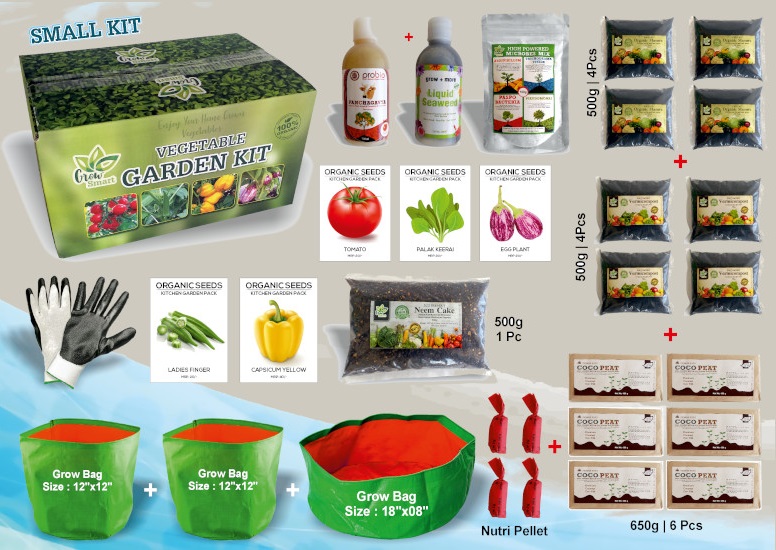
That’s an insightful combination of ideas! Here is a detailed description of this business model:1. Organic Farming (The Foundational Expertise)This is the core knowledge and credibility upon which the entire business is built. It’s the commitment to growing food without synthetic pesticides, herbicides, or fertilizers.
Health and Safety:
Products are free from harmful chemicals, appealing directly to health-conscious consumers.
Environmental Integrity: Organic methods promote soil health, water conservation, and biodiversity, providing a strong ethical marketing narrative.
2Superior Flavor: Many consumers believe organically grown food, especially when locally sourced, tastes better.
3Certifiability: While home gardeners don’t need certification, professional small-scale farms selling produce do. Offering Certified Organic produce adds a high level of trust.
Small Business Applications:
Direct-to-Consumer Produce: Selling organic herbs, microgreens, and vegetables directly to local restaurants
Educational Content: Your experience in organic farming becomes the expertise you sell through your kits, workshops, and digital guides.
Home Gardening Kits
(The Scalable Product)This is the most scalable part of the business, turning your organic expertise into a tangible, shippable.
The Product Breakdown:Kit TypeDescriptionTarget AudienceMicrogreen KitsSmall trays, organic seeds, and growing medium (like coconut coir) for a one-time quick harvest.
Beginners, apartment dwellers, foodies looking for healthy garnishes.Herb Garden KitsSeeds/seedlings, small pots.
Vegetable Starter
KitsIncludes larger organic seed packets, peat pellets, and step-by-step instructions for starting seasonal vegetables outdoors.
Suburban gardeners, families, and people with yard access.Niche/Themed KitsKits focused on specific themes, such as “Cocktail Garden Kit” (for mixology)
Model & Monetization:
Packaging: Emphasis on eco-friendly packaging (recycled cardboard, biodegradable bags) reinforces the brand’s core values.
Monetization: Sales are typically made through an e-commerce platform and local farmers’ markets.
Combining the Concepts:
The Full-Circle BusinessThe synergy between these two ideas creates a highly
robust business model:Credibility Builder: Your own small organic farm or garden serves as a live portfolio.
You can create video tutorials and photos for your kits using your own growing space.
Product Feedback Loop: What you learn from your own organic growing challenges informs the content and materials.
6.Social Media Management business:
That is a fantastic business area to dive into! Social Media Management (SMM) is far more than just posting pictures
it is the strategic and executive function that connects a brand’s presence on platforms like Instagram, Facebook, LinkedIn, and TikTok
Directly to its core business goals.Here is a detailed description of the scope, services, and business model
1. The Core Objective
Driving Business Results:
A successful SMM service anchors all activity to a measurable business result.
Instead of simply aiming for “more followers,” the goal is to Increase Awareness: Get the brand’s name and message.
Boost Engagement:
Foster a community that likes, comments, shares, and trusts the brand.
Generate Leads/Sales: Direct followers to a website, a sales page, or a physical store.
Manage Reputation: Handle customer service inquiries and quickly manage any public relations issues.
2. Key Services Offered by a Social Media Manager:
A Social Media Management business typically offers a tiered range of services, often bundled into monthly retainers.
Service PillarDetailed ActivitiesBusiness ImpactStrategy & PlanningSocial Media Audit: Analyzing current performance and competitor activity.
Ensures all activity is purposeful and directly aligns with the client’s business goals.
Content Creation & CurationCopywriting: Writing engaging captions tailored to each platform (e.g., short-form for X, long-form for LinkedIn). Visual Assets: Creating graphics, short-form videos (Reels/TikToks), and editing photos.
Content Curation:
Sourcing and sharing relevant, high-quality third-party content.Builds a consistent, recognizable brand identity and keeps the audience engaged.
Community ManagementEngagement: Promptly responding to comments, DMs, and mentions. Social Listening: Monitoring conversations about the brand, competitors, and industry trends.
Customer Service: Routing customer inquiries to the appropriate internal team.
Fosters loyalty, increases customer satisfaction, and builds trust with authentic, real-time interaction.
Analytics & ReportingData Tracking: Monitoring key metrics (Reach, Engagement Rate, Click-Through Rate, Conversions). Performance Reports: Creating monthly reports to show clients the results of the strategy.
Optimization: Using data insights (e.g., “videos perform better on Tuesdays”) to refine future content.
Proves the Value (Return on Investment – ROI) of the service and enables data-driven decision-making.
Conclusion:
The winning formula for small businesses today is a strategic blend of digital scalability, hyper-specialization, and ethical value. The economy rewards businesses that make life easier, healthier, or more knowledgeable for consumers, delivered in a highly efficient way.
The economy rewards businesses that make life easier, healthier, or more knowledgeable for consumers, delivered in a highly efficient way.
Using technology and delivery platforms to focus solely on production and logistics.
Access: Freelancing and Consulting use digital platforms to access a global client base, bypassing local geographical limitations.