
This post offers practical, sustainable strategies to cultivate daily motivation and maintain a positive mindset, turning resilience into a powerful habit. You will learn to recognize motivation as an internal fuel, not a sudden external burst. The guide focuses on establishing small, non-negotiable daily routines (like the “Two-Minute Rule”), practicing conscious gratitude to shift your focus from lack to abundance, and setting boundaries to protect your mental energy.
1.Start Your Day with Gratitude & positive:

Start Your Day with Gratitude: Your Ultimate Guide to Unbreakable Positive and Motivation
The morning sets the trajectory for your entire day. If you wake up and immediately dive into a cycle of stress, worry, or to-do lists, you are setting yourself up for an exhausting, reactive 24 hours. This comprehensive guide, “Start Your Day with Gratitude,” offers a transformative approach: the strategic use of gratitude as your primary fuel for motivation and resilience, especially when life’s inevitable challenges hit hard.
The Science of the Morning Shift
We delve into the proven psychological power of beginning your day with conscious appreciation. Gratitude is not mere platitude; it is a proven mental exercise that actively rewires your brain. It shifts your focus from the negativity bias—the natural tendency to dwell on what’s wrong—to the abundance that already exists.
Building Your Unbreakable Daily Routine
The core of this guide lies in its actionable, zero-to-hero strategies for incorporating gratitude into your morning ritual. We move beyond simply “being thankful” and provide practical techniques to make it a sustainable habit:
The Power of Specificity: Learn how to move past general statements (“I’m grateful for my life”) to meaningful, detailed appreciation (“I’m grateful for the specific, patient advice my colleague gave me yesterday”). This specificity deepens the emotional impact and reinforces the positive feeling.
The Two-Minute Morning Ritual: A simple, non-negotiable routine that takes less than 120 seconds to complete, designed to anchor your mind in positivity before the day’s demands take over.
The ‘Subtraction’ Mindset: Discover the profound power of feeling grateful for things you don’t have to deal with, like the absence of a chronic illness or a past conflict. This technique instantly reframes your present circumstances in a more positive light.
2.Focus on What You Can Control & positive:
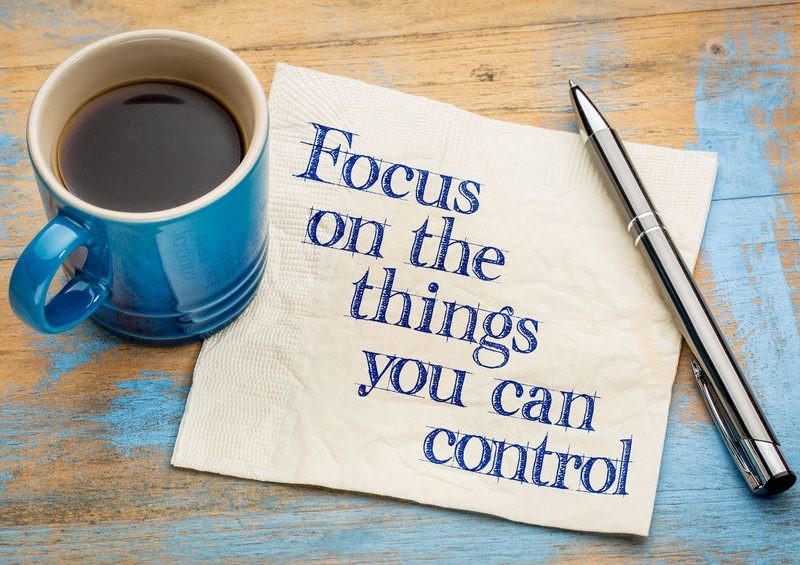
Focusing on what is within your control is arguably the single most powerful strategy for maintaining motivation, positive, and mental clarity, especially during periods of stress, crisis, or uncertainty. This in-depth guide, “Focus on What You Can Control: Your Blueprint for Unshakeable Motivation,” provides the tools and philosophical framework to make this concept an actionable, daily habit.
The Dichotomy of Control:
We explore how mistakenly investing emotional energy into the latter sphere is the primary source of anxiety, burnout, and demotivation. By clearly defining this boundary, you immediately free up vast reserves of mental energy.
True, sustainable motivation does not come from waiting for the “right” feeling; it comes from taking consistent, purposeful action. When you focus solely on your efforts and inputs, you transform your daily routine into a series of achievable wins. This section provides concrete methods for redirecting your focus:
The Three-Step Filter: A simple, powerful technique to apply to any stressful situation:
1) What is happening?
2) What parts of this can I directly influence?
3) What is my optimal response to the rest?
This filter instantly moves you from victim to agent.
Instead of “Get a promotion” (outcome), your focus becomes “Spend 30 minutes daily on professional development” (action). This guarantees progress and self-efficacy, the bedrock of motivation.
Cultivating Unshakeable Positivity (Inner Peace)
Positivity that relies on external circumstances is fragile. The kind that endures tough times is born from internal conviction. This guide teaches you how to decouple your self-worth and mood from uncontrollable outcomes:
Learn how protecting your mental space is a prerequisite for sustained optimism.
Response Over Reaction: The space between a difficult event and your reaction is your greatest power.
Embracing Failure as Input: When you focus on control, failure is no longer a personal indictment. It becomes merely feedback—input—that you use to adjust your controllable effort for the next attempt. This perspective eliminates the fear that often paralyzes motivation.
3.Surround Yourself with Positive Energy:

Maintaining motivation and positive isn’t just about what you think; it’s critically dependent on your surrounding environment—the people, spaces, and content you allow into your life. The principle is simple yet profound: Energy is contagious. This guide, “Surround Yourself with Positive Energy,” provides an actionable blueprint for curating an external world that uplifts, inspires, and fuels your resilience, ensuring you stay motivated even when life inevitably gets tough.
The Power of Your Social Circle:
Psychological research confirms that we are heavily influenced by the five people we spend the most time with. This section challenges you to conduct a crucial “energy audit” of your inner circle. Are your friends and colleagues predominantly dream-builders or dream-killers? Do their conversations focus on solutions and growth, or do they habitually dwell on complaints and negativity?
Filter the Noise:
Learn practical strategies for gently but firmly creating distance from “energy vampires”—those who consistently drain your positivity without offering genuine support.
Identify and actively nurture relationships with people who celebrate your wins, offer constructive belief in your potential, and hold you accountable to your best self. These relationships are the powerful, steady current that keeps your motivation flowing.
Cultivating Your Physical & Digital Sanctuary
Your environment is the silent architect of your mood. A cluttered desk often leads to a cluttered mind, and a constant stream of negative news can erode your optimism.
The Physical Space Shift:
Discover how to transform your home or workspace into a wellspring of positive energy. Simple acts like decluttering, adding plants and natural light, and incorporating meaningful, inspirational objects can significantly reduce stress and boost clarity.
The Digital Diet: Address the constant onslaught of online negativity. Treating your mental input with the same care you treat your physical diet is essential for daily positivity.
Radiate Gratitude: A daily practice of gratitude, focusing on what is working well, is a powerful energy magnet. It rewires your brain to seek the good, making you a more attractive presence for positive people and opportunities.
Affirmation and Language: Use your own words to shape your world. Replace self-defeating language with empowering affirmations, and choose conversation topics that are forward-looking and constructive.
By meticulously curating your social, physical, and digital surroundings, you build a motivational ecosystem that is inherently resilient.
4.Set Small, Achievable Goals & positive:

The Unstoppable Power of Small Wins: In a world that often glorifies massive, overnight success, the real secret to sustainable motivation and an unshakable positive mindset lies in something simpler — setting small, achievable goals
Why Big Dreams Can Feel Overwhelming
The psychological gap between where we are and where we want to be can feel like an unbridgeable canyon
The Role of Small Wins
This is where the power of “small wins” comes in.
How Small Wins Reinforce Positive Behavior
Each completed micro-goal provides a sense of accomplishment, reinforcing positive behavior and creating a momentum-building cycle.
This isn’t about perfection — it’s about acknowledging progress.
Small Goals During Tough Times
This approach is especially critical when life gets tough. During times of stress, loss, or personal struggle, aiming for a monumental achievement often leads to burnout.
Why Simple Goals Matter
Instead, focusing on a single, easily attainable goal provides a much-needed anchor.
Did you get out of bed? Drink a glass of water? Send that one important message?
These small victories matter — they build self-efficacy, the belief in your ability to succeed.
5.Take Care of Your Mind and Body positive:

Mind-Body Connection:
Your Blueprint for Unbreakable Motivation and Positivity
This deep, reciprocal relationship:
The cornerstone of sustainable well-being, providing the resilience you need to navigate stress, setback, and uncertainty.
Nutrition acts as the premium fuel for your brain, stabilizing energy levels and preventing the mood swings that deplete motivation.
Even light movement (a brisk walk, a few stretches) is a powerful, immediate antidepressant and anxiolytic.
Mentally, the goal is to cultivate inner stability. Just as the body needs rest, the mind needs conscious downtime. Practices like mindfulness, deep breathing, or simple quiet reflection interrupt the negative thought spirals that drain positivity. Crucially, self-compassion becomes your greatest tool against internal criticism.
Higher Clarity (Mind) leads to Better Decision-Making and Positive Action (Body).
Positive Action leads to Small Wins and Self-Belief (Motivation/Positivity).
In times of crisis, this integrated care shifts from a strategy for success to a survival mechanism.
6.Use Positive Self-Talk:

The most influential conversation you will ever have is the one you have with yourself. In fact, when life gets tough, the biggest threat to your motivation and positivity often comes not from external circumstances, but rather from the negative, critical inner monologue — the voice of doubt, fear, and defeat. Therefore, learning to use positive self-talk is not just a feel-good strategy; instead, it is a powerful and essential skill for building psychological resilience. Moreover, it helps you maintain an unwavering daily focus on progress, even when challenges seem overwhelming.
Negative self-talk:
phrases like “I can’t do this,” “I always mess up,” or “What’s the point?”—acts as an internal anchor, sabotaging effort and draining energy. It shifts your focus from perceived failures to potential solutions, capability, and growth.
The core of this practice is a conscious, systematic effort to identify, challenge, and replace negative thoughts with constructive, affirming statements. This is not about denying reality; it’s about choosing a perspective that empowers action.
How does this fuel daily motivation?
It Boosts Self-Efficacy: Positive affirmations like “I am capable” or “My effort matters” build a deep conviction that you possess the skills to overcome obstacles. This belief is the engine of motivation, encouraging you to start tasks and persist through difficulty.
It Creates a Solution-Oriented Mindset: Negative talk focuses on the problem (“This is impossible”). Positive talk focuses on the process (“What is the next small step I can take?”). This shift changes your mental energy from paralyzing anxiety to proactive engagement.
It Enhances Emotional Regulation: By consciously choosing uplifting internal language, you directly influence your mood. When a setback occurs, positive self-talk acts as a shield, preventing a temporary disappointment from escalating into a full-blown emotional crisis. It allows you to remain calm, learn the lesson, and pivot quickly.
In the face of adversity, your positive inner voice becomes your coach and cheerleader. It helps you recognize your small, daily victories and maintains the momentum necessary for long-term goals. By consistently training yourself to replace “I can’t” with “I am learning,” and “I failed” with “I experimented,” you are rewiring your brain for optimism and creating a daily source of internal motivation that is entirely within your control.
Conclusion:
Staying motivated and positive when life gets tough is not a matter of luck, but a deliberate practice built on three powerful, interconnected habits: setting small goals, nurturing your mind and body, and controlling your inner dialogue.
Remember that small, achievable goals are your secret weapon against overwhelm. They create a daily chain of “small wins,” releasing dopamine and building the essential momentum that drives long-term success. Never underestimate the power of a single, completed task.