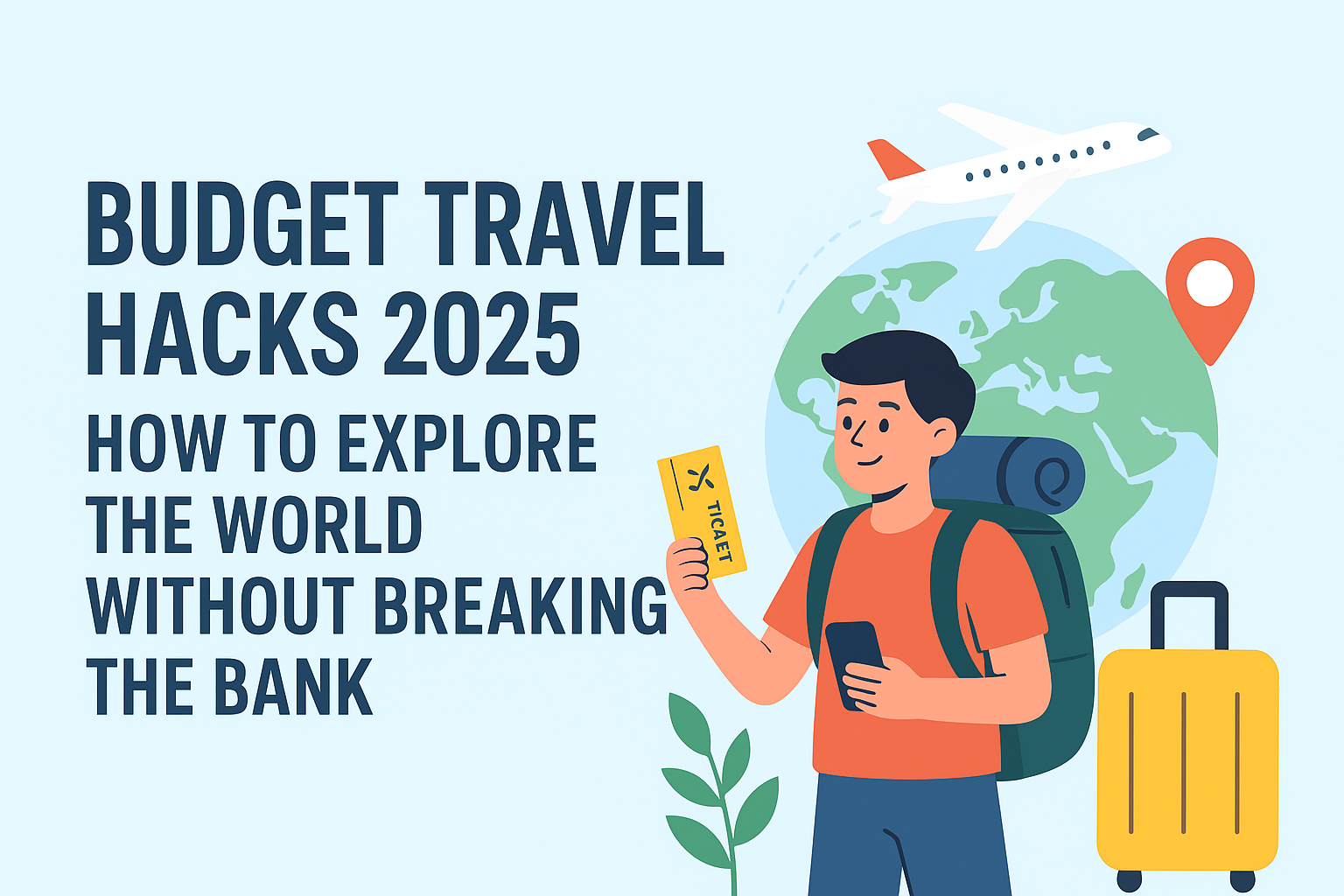
In 2025, smart travel is about strategic planning and flexibility. Unlock global adventures by mastering these budget hacks.Cook your own meals using local markets and utilize free activities like walking tours and public parks. Travel light to skip checked baggage fees and secure multi-destination passes for public transport. Your dream trip is achievable with clever spending.
Traveling the world doesn’t have to drain your savings.
1.Travel Plan Early and Stay Flexible:
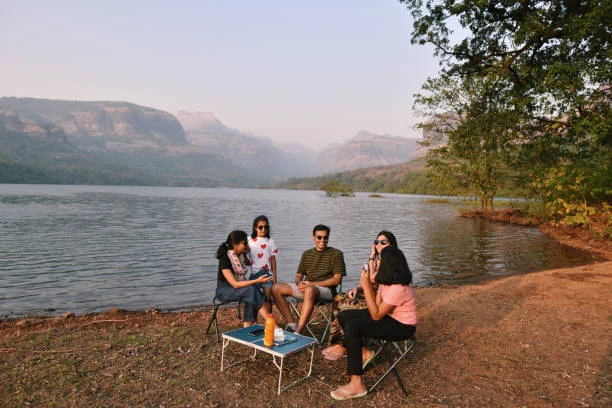
The secret to travel exploring the world in 2025 without financial strain lies in mastering a dual strategy: Plan Early to lock in the best deals, and Stay Flexible to navigate inevitable price fluctuations and seize last-minute savings. This approach shifts control from external vendors back to the traveler budget.
Strategic Flight Booking (The 6-Month Rule)
For major international trips, prices often begin to climb significantly within three months of departure. Aim to book major long-haul flights four to six months in advance. Use flight comparison tools and set up price alerts the moment your travel dates are decided. This early effort locks in the single biggest expense before demand surges.
- Booking Core Accommodation
Hostels and independent guesthouses often release their best rates months in advance. Utilize refundable booking options on sites like Booking.com. - Visa and Document Preparation
Start the necessary paperwork (visas, passports, international driving permits) early. This avoids the exorbitant rush fees charged for expedited processing, which are pure budget killers.
Phase 2: Staying Flexible (The Budget Safety Net)
Flexibility is your insurance policy.
- Flexible Dates and Times (The Biggest Saver)
The single most powerful hack is avoiding peak periods. If your schedule allows, travel during the shoulder season (just before or just after the high season) to save up to 40% on flights and hotels.
2. Flexible Destinations and Routes
Instead of fixating on one specific city, use “Everywhere” or “Explore” search features on flight websites (like Skyscanner or Google Flights). You may find a stunning alternative destination that costs hundreds less to reach.
Flexible Meals and Activities
Once you arrive, flexibility in daily spending prevents budget blowouts. Ditch pre-packaged tours and opt for self-guided adventures using local public transit. Avoid tourist traps and embrace local markets and street food.
2.Choose Budget travel &Stays and Hostels:
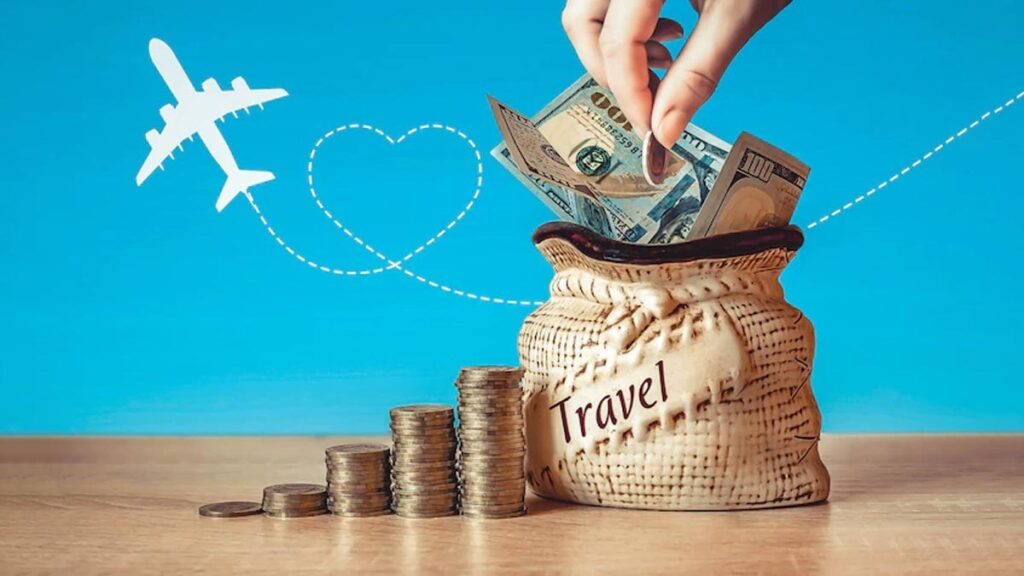
Accommodation is typically the second-largest expense after flights. In 2025, travel budget-conscious travelers are moving beyond traditional hotels, recognizing that hostels, guesthouses, and alternative stays offer significant financial savings alongside unparalleled cultural and social benefits. This shift transforms lodging from a fixed cost into an integral, valuable part of the journey.
The Hostels Advantage: Community and Cost-Effectiveness
Hostels have evolved dramatically from their basic youth-oriented past.
Essential Amenities: Modern hostels almost universally offer free Wi-Fi, which is crucial for digital communication and trip planning. More importantly, most have communal kitchens, allowing travelers to shop at local markets and cook their own meals. This simple act drastically reduces dining expenses, turning a nightly saving into an all-day budget win.
Social Connection and Local Tips: Hostels are a melting pot. They provide organized social activities (walking tours, pub quizzes, group dinners) that facilitate meeting fellow travelers—an invaluable benefit for solo adventurers. Staff are often locals or long-term travelers who provide authentic, money-saving tips that guidebooks miss.
Expanding Your Budget Stay Options
To ensure maximum savings and unique experiences, it pays to look beyond just hostels:
Guesthouses and Homestays: Ideal for introverts or couples, guesthouses offer privacy and quiet without the high costs of a full hotel service.
Staying in a local’s home (found on platforms like Booking.com and sometimes through direct local inquiry) provides an authentic, residential experience that promotes cultural exchange.
Alternative Networks (Couchsurfing & Work Exchange): For the truly adventurous, platforms like Couchsurfing offer free accommodation with a local, focusing on hospitality and cultural sharing.
Booking Strategically: Always check reviews for cleanliness, location, and safety (especially for solo female travelers). Look for locations near public transport hubs to minimize local travel costs.
3.Eat Local, Not Luxury in travel :
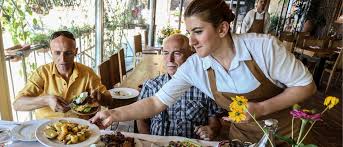
The Financial Logic: Avoiding the travel Tourist Trap Tax
By simply walking five blocks away from any major attraction, you cross an invisible line and enter the domain of local eateries. This practice alone can save you hundreds of dollars on a two-week trip.
The Authentic Experience: Savoring Culture
Beyond the savings, eating local offers a genuine taste of a destination. The most authentic and memorable meals are rarely found under the white tablecloths of a high-end restaurant; they are often sizzling on a street food cart or stewing in a tiny, family-run “hole-in-the-wall” cafe.
Street Food is King: Look for long lines of locals. A high turnover rate ensures the food is fresh, and the crowd signals it’s delicious and safe. Street food is typically the most affordable way to try a variety of regional staples, offering a full, satisfying meal for the price of a single coffee in a tourist cafe.
Ask the Right Question: Never ask a local, “Where should I eat?”—they might default to a popular tourist spot. Taxi drivers and hostel/hotel staff are often excellent sources for these hidden gems.
By making the conscious choice to Eat Local, Not Luxury, you don’t just save money; you invest in a deeper connection with the local community, support small businesses, and ultimately savor the most authentic flavors your destination has to offer. It transforms a simple meal into a genuine cultural encounter.
4.Travel Smart with Public Transport:
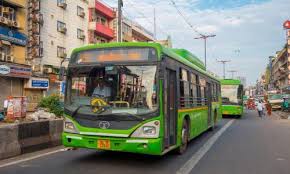
For the budget-conscious traveler in 2025, mastering local public transport isn’t just a cost-saving measure—it’s the key to an authentic, immersive, and sustainable travel experience. Moving beyond expensive taxis and ride-shares and embracing the local network of buses, trains, and metros can slash your transportation costs by 30-50%, freeing up your funds for unique experiences, better food, or simply a longer trip.
The core of this hack lies in pre-planning and purchasing smart tickets. In major global cities, look immediately for City Passes or Tourist Cards.
Beyond tourist-specific passes, a true budget hack is to adopt the local’s routine. discounts that single-use tickets do not.
Furthermore, view public transit as an opportunity, not just a conveyance. Your quick, inexpensive transit ride will be a small trade-off for the substantial nightly savings.
5.Use Travel Apps to Save Money:
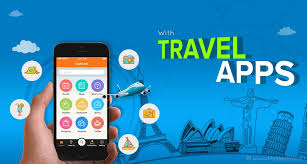
The era of thumbing through guidebooks and relying solely on travel agents for deals is long over.
Securing the Best Deals on Transport and Stay
The foundation of budget travel is minimizing the cost of flights and accommodation. Aggregator apps like Skyscanner and Google Flights are indispensable.
For accommodation
To begin with, apps today cater to every budget tier.
a vital component for saving money by cooking your own meals rather than eating out daily.
Master Your Money and Local Spending
Additionally, while on the ground, using an expense-tracking app such as TravelSpend or Wanderlog is non-negotiable.
Navigate and Discover for Free
Meanwhile, within a city, Google Maps, with its offline map feature and public transit schedules, becomes your free, reliable navigator.
In addition, travel apps can help you discover hidden and affordable local gems. By using these platforms, you can enjoy authentic, meaningful experiences without paying the premium costs of organized commercial tours.
The Smart Way to Travel
Instead, it means leveraging technology to travel smarter, cheaper, and with greater freedom.
6.Pack Light and Avoid Extra Fees in travel:

To truly travel on a budget, you must master the art of packing light. This isn’t about hardship; it’s about strategic minimalism to keep your entire journey streamlined, cheap, and stress-free.
Maximize the size of your “personal item” (backpack, tote, or briefcase) as it often isn’t weighed.
The Shoe Rule: Shoes are the heaviest and bulkiest item.
Solid Toiletries are Gold:
To begin with, ditch the heavy liquids and opt instead for solid shampoo, conditioner, and soap bars. In addition, decant essential lotions and makeup into small, reusable travel containers to save both space and weight. This approach not only lightens your luggage but also makes your travel routine far more sustainable.
Ultimately, by consistently following these smart packing strategies, you can effortlessly fly with just a personal item and a carry-on. In short, packing light isn’t just about convenience—it’s about traveling smarter, cheaper, and stress-free.
Conclusion:
The single most impactful way to protect your travel budget against rising airline fees is to embrace the art of packing light.
By viewing your luggage as a single carry-on and a maximized personal item, you eliminate the largest variable cost: checked bag fees. The hacks—from adopting a versatile capsule wardrobe and wearing your heaviest items to utilizing solid toiletries and compression cubes—are not inconveniences; they are strategic savings measures.
The lightest bag always leads to the richest journey.